Online Free Tarot Readings: Empowering Guidance
Tarot has a simple promise that keeps people coming back: it helps you see. Not in a vague, mystical way, but in a practical one. A good reading can clarify what you already suspect, name the pattern you keep stepping into, and point toward options you might be too close to notice. The trick is finding the kind of tarot reading that actually supports you, especially when you are using online free tarot readings or a tarot reader online free session where the stakes feel lower and the temptation is to rush.
I have watched that temptation play out again and again with clients. They start excited, then anxious, then disappointed because the reading did not do what they hoped. Usually, the issue is not the cards. It is the approach: asking too many questions at once, expecting one card to “solve” a relationship, or treating guidance as a verdict. Online tarot readings online can be wonderful, and they can also be misleading, depending on how you use them. Let’s talk about how to get the most value from card reading online experiences, including one card free reading formats that are popular for a reason.
Why “free” can be a real advantage
A online free tarot readings session often gets a bad reputation, as if free means flimsy. In my experience, free readings can be a smart entry point because they lower the emotional cost of experimenting. When you are not paying, you are more willing to be honest with yourself. You are less likely to chase a “perfect” answer, and more likely to notice what hits home.
There is also a practical benefit. Many people come to tarot after spending weeks stuck in their own head. They need movement, not a dissertation. A short online tarot card reading can break the logjam, especially when it focuses on one question or one theme. A well-structured one card free reading can give you a starting point: a lens for today’s decision, a reminder about what matters, or a gentle warning you can act on.
Of course, there is a trade-off. Free readings are often shorter, and the interpretation may be more general. That does not make them worthless. It just means you should choose clarity over drama. Treat a free reading like a flashlight, not a map. It helps you see where you are standing, not where you will be in ten years.
The difference between “reading for insight” and “reading for certainty”
If you’ve spent time around tarot, you have probably heard someone say, “Tarot predicts the future.” That is not how I work with it. I prefer to frame tarot as insight into the present, and guidance for the choices you control.
When you are doing tarot readings online, especially card readings online that move fast, it is easy to slip into the certainty mindset. You ask, “Will they come back?” Then you stare at the cards as if they owe you a binary answer. If the reading turns nuanced, you feel betrayed.
Here is the truth I’ve seen with clients: tarot rarely gives useful results when you demand proof. Cards are better at describing dynamics, priorities, and likely consequences. They can show whether a situation is stuck, whether communication is blocked, or whether you are avoiding a decision. But those insights only help if you can translate them into action.
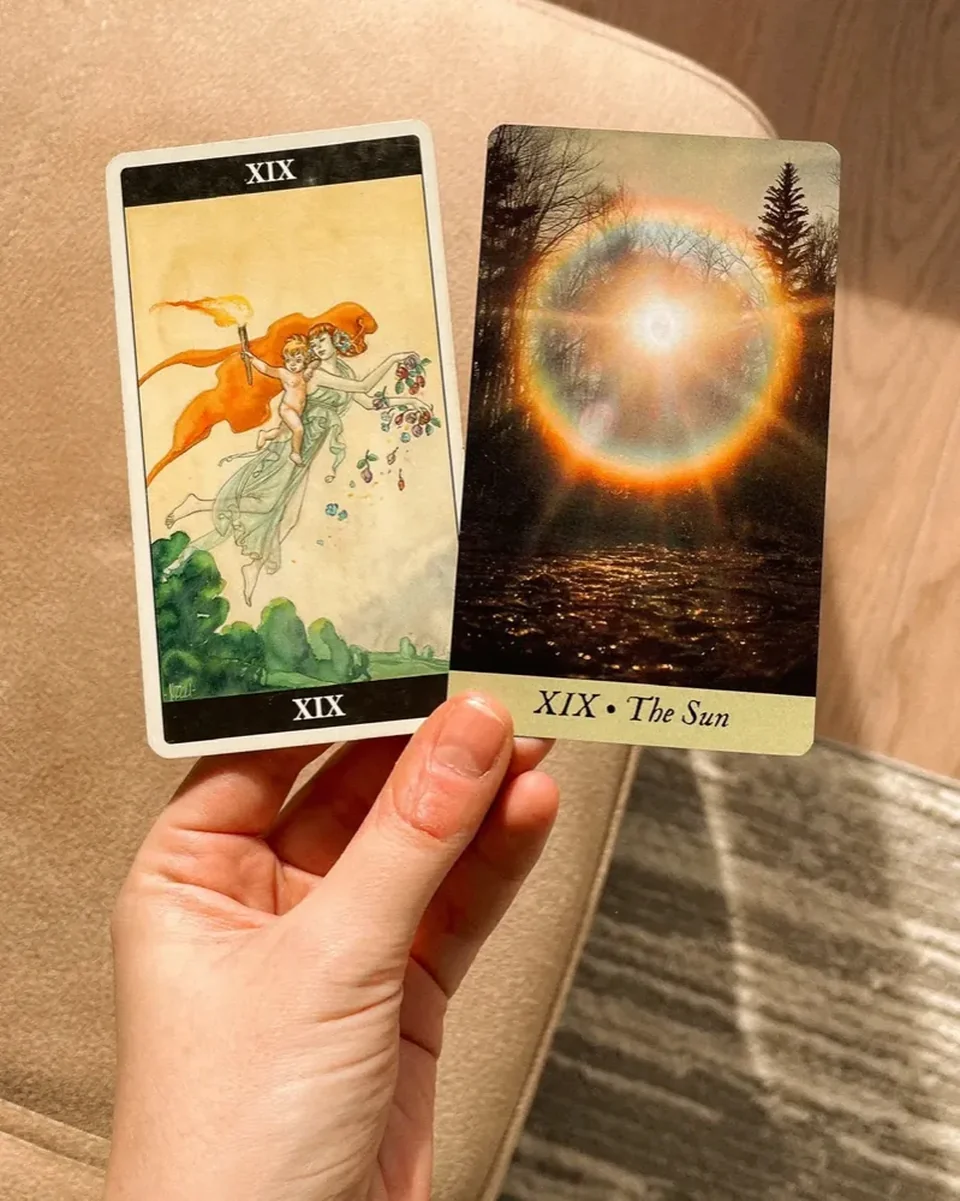
A free online format is a perfect place to practice that translation. Ask what you can do next, not what the universe will do for you.
What an online reading actually feels like (and why timing matters)
Let’s talk about what makes an online reading feel different from in-person sessions. There is the obvious part, the screen and the distance. But the subtler part is how quickly you can get pulled into it.
When you’re receiving tarot reader online free guidance, you might choose a prompt, draw, and get an interpretation within minutes. That speed can be helpful when you need immediate perspective. It can also bypass the part of you that would normally pause and ask, “Is this question coming from fear or curiosity?”
One detail I recommend people watch closely is timing. If you pull cards while you are activated, the reading will reflect activation. If you are calm, the reading can reflect your real concerns. That does not mean you need a perfect mindset, but it does mean you should avoid reading right after a fight, right before a big meeting, or in the middle of frantic doom-scrolling.
A simple approach that works well with online tarot readings is to choose a time when you can actually apply the message. If the reading points to boundaries, you need the emotional capacity to set one. If it points to patience, you need enough stability to wait without spiraling.
What to expect from a good “one card” session
One-card spreads are popular because they’re approachable. You get a quick theme, a single perspective shift. They also force you to keep your question clean.
When a one card free reading is done well, it does three things. First, it names the energy clearly, not in flowery fog. Second, it connects the energy to your question in a way you can test in real life. Third, it offers a practical way to respond.
Here’s what you can typically look for when browsing online tarot card options like Tarotell.me or similar platforms:
- The question or intention is acknowledged before the interpretation starts
- The meaning is tied to your situation, not just a generic card description
- The guidance includes something you can do, even if it’s small
- The reading avoids certainty language about fixed outcomes
If you don’t see those elements, it doesn’t automatically mean the reading is “bad.” It means you should adjust your expectations. For quick formats, you want quick usefulness.
Using keywords like “guidance,” not “answers”
A common issue with online online tarot readings for free is that people treat the reading like a slot machine. They ask one question, receive one answer, and decide whether to believe it based on whether it matches what they wanted.
A more empowering approach is to treat the reading as guidance. The same card meaning can land differently depending on your openness. If you ask, “What do I need to know?” you can receive insight even when the message challenges you.
A friend of mine once asked for a reading about an upcoming conversation. She expected reassurance. Instead, the card pointed to emotional honesty and the need to slow down. She rolled her eyes, then tried to rush anyway. The conversation went sideways. Two days later she returned and asked again with a different intention: “What should I prepare for before I talk to them?” That time the guidance felt usable. She was no longer searching for comfort. She was looking for preparation.
That’s the difference. Tarot works best when you treat it like a conversation with your patterns, not a confirmation of your hopes.
How to ask better questions for card readings online
You can get a lot out of tarot readings online, but the quality of the reading depends heavily on the question you bring in. Here is where many people stumble, especially with fast card reading online formats that prompt quick answers.
A good tarot question is specific enough to feel real and open enough to allow insight. Instead of asking about a third party’s feelings, you can ask about your next step. Instead of asking for a guaranteed outcome, you can ask about likely dynamics and how you can respond.
One practical way to refine your question is to include a time frame and an action. For example, rather than “Will I get the job?” try “What should I focus on in the next two weeks to improve my odds?” That naturally invites tarot to speak in terms of effort, positioning, confidence, and timing, not in terms of fate locks.
If you are browsing online free tarot options, you will notice that many services are designed for simple questions. That’s not a limitation. It is a feature. It helps you step into clarity instead of overwhelm.
Energy, privacy, and the question of consent
When you do any kind of tarot online, privacy is not optional. Even free sessions can involve personal details, names, or situation summaries. I recommend you treat your input like you would treat a journal: only share what you truly want reflected back.
There is also a consent question, even if it’s informal. Some platforms may suggest questions about other people. If your reading is focused on someone else’s inner life, you might be asking the cards to cross an ethical line. A safer approach is to ask about your relationship dynamic and your role.
For example, instead of “What are they thinking?” you can ask “What energy am I bringing into this relationship right now?” or “What boundary would help me feel safer in this situation?” Tarot often responds with surprisingly actionable clarity when you aim at what you control.
A quick checklist before you start a free tarot session
If you want your online tarot readings to be more reliable and emotionally useful, do a quick setup. This is not superstition. It is good practice.
- Take thirty seconds to decide what you want to feel after the reading: calmer, clearer, or more motivated
- Write your question in one sentence, then remove extra clauses
- Keep the focus on your next step, even if the question includes someone else
- Avoid asking multiple unrelated questions at once
This kind of prep improves the reading experience whether you are using Tarotell.me, a different platform, or a general tarot readings online setup that offers card draws.
How to interpret what you hear, even when it stings
A real test of any reading, free or not, is what happens when the message is uncomfortable. Tarot can mirror avoidance. It can expose unrealistic expectations. It can suggest you stop waiting and start acting.
I have seen people discount a reading instantly because it feels wrong, then repeat the same pattern for months. The discomfort is often the point. Not because the cards are cruel, but because your psyche is resisting change.
If a reading stings, try one of these interpretive moves. First, translate the message into a question you can ask yourself. If you hear “delay,” ask “What am I afraid will happen if I move now?” If you hear “boundaries,” ask “Where am I overextending to avoid conflict?” Second, look for a small action that matches the theme. You do not need a dramatic life overhaul. You need one honest step.
This is how guidance becomes empowerment. The reading is not a verdict. It is a prompt.
https://tarotell-me.netlify.app/Where “online tarot” can go wrong
Online card readings online can be excellent, but the format has edge cases. Being aware of these helps you protect your emotional bandwidth.
One issue is over-interpreting. With a one-card draw, it’s tempting to treat every detail as proof. Sometimes the message is simply “focus” or “review.” When you demand a storyline, you may force it into shape. A one-card reading is often best used as a theme for the day or a decision point, not a complete narrative of what will happen.
Another issue is emotional dependence. If you need a reading every day to feel okay, tarot becomes a stress manager rather than a tool. I am not judging. I’ve been there with clients who felt safer checking than deciding. The goal is to use readings to build inner clarity, then practice acting without outsourcing your confidence.
Finally, there is the quality variation across platforms. Some services are designed around quick, symbolic guidance. Others offer more detailed interpretation and pacing. Neither model is inherently superior, but expecting the detail of a longer session from a quick one card free reading can lead to disappointment.
Tarotell.me and platforms like it: what to watch for
Because you mentioned Tarotell.me, it’s worth discussing what typically matters when choosing a site for online free tarot readings. I can’t verify specific internal policies from here, but you can evaluate most platforms using a consistent lens.
Look at how the platform frames the reading. A grounded site tends to use language that emphasizes reflection and guidance. It also tends to clarify how free readings work, including whether draws are based on your input and how interpretations are generated or written.
Also, pay attention to user experience. If the interface is confusing, it’s easy to rush. Rushing changes how you ask questions, and that affects what you get. A clean, calm flow supports better intention setting.
Finally, consider your own learning style. If you like short, direct messages, one-card formats can be a great fit. If you prefer nuance and context, you might want longer sessions, even if they cost more. The best platform is the one that matches how you actually process information.
Turning a reading into a decision you can live with
Tarot can tell you that a decision is coming, that you need patience, or that you need to stop negotiating with your own values. The difference between insight and stagnation is whether you act.
Here is a practical method I use with people after a reading, especially after tarot readings online that are brief.
Think in terms of three layers: feeling, behavior, and deadline. If a reading makes you feel uneasy, identify the fear or the need under that feeling. Then adjust behavior in one specific way. Then decide a reasonable deadline for revisiting the topic.
For example, if the cards suggest “boundaries” and “clarity,” you might feel an urge to pull back. Your behavior might become less available, fewer explanations, or a cleaner communication style. Your deadline might be a check-in date one week later. That turns the reading into momentum.
How often should you do online tarot readings for free?
People ask this constantly, and the answer depends on your personality and the reason you started. If you use tarot for pattern recognition, a few times a month can be enough. If you are working through a specific decision, you might do a reading, take action, then read again after you’ve tested the guidance in real life.
If you are using tarot as daily reassurance, you may need to revisit your relationship with it. That does not mean tarot is wrong. It means you may be asking it to do a job it wasn’t designed to do: calm your system all day long.
A healthy rhythm is one where readings help you build confidence, not replace it. The goal is that after a reading, you feel more capable. If you feel more anxious, change the question, shorten the session, or step away.
A practical example: one card, real change
Let me share a quick scenario that mirrors what I’ve seen repeatedly in card reading online experiences.
A client asked for a one-card reading about a friendship that felt uneven. They wanted to know whether the other person “would change.” The card they received pointed toward honesty and the need to define what “enough” looks like. At first, they wanted it to mean the other person would suddenly become consistent. Instead, the message was about their own tolerance.
They did something small and specific. They decided on one conversation boundary, something like, “I will listen for five minutes, then I need to leave if the talk turns dismissive.” They also stopped providing reassurance they were not actually receiving. The next meetup clarified everything. Not because the cards predicted a miracle, but because the reading helped them stop hoping and start setting a standard.
That is what empowerment feels like. It is not dramatic, but it changes your life faster than waiting for a sign.
Handling skepticism without losing the benefits
If you’re skeptical, you are not alone. Skepticism can actually make tarot more useful because it encourages you to test the guidance against reality. The key is to avoid two extremes: believing blindly, or dismissing everything out of hand.
A skeptic-friendly way to use online free tarot is to treat readings as reflective prompts. If the reading suggests journaling, try it. If it suggests a boundary, test it in a low-stakes conversation. If it suggests patience, notice what patterns keep showing up and whether your behavior supports that patience.
When tarot becomes a feedback loop, you stop needing to “believe” in order to benefit. You use the reading as a tool to explore yourself and your situation. That is how most long-term readers build trust with the practice.
Etiquette for online tarot readings online
Online sessions go smoother when you bring respect into the interaction, even if it is with a short free format. Here is a simple etiquette guide that works across many tarot readings online options:
- Be clear and concise with your question
- Avoid asking for exact outcomes about someone else’s actions
- Don’t flood the reader with a full biography, focus on what matters now
- If the message doesn’t resonate, ask a new question rather than arguing with the cards
This is also about your own energy. Clear intention helps the reading land with fewer distortions.
The real value of online free tarot readings
The most empowering part of online tarot readings for free is not that you get answers for nothing. It’s that you get access to perspective without a heavy commitment. You can try tarot when you’re curious. You can use it when you’re stuck. You can revisit it when you need a reminder that you are not powerless.
Online formats, including tarot reader online free sessions and one card free reading experiences, can be especially effective when you treat them as guidance for the next step. Ask better questions. Expect themes, not guarantees. Use the message to make a choice you can stand behind.
Tarot has a way of meeting you where you are. With the right approach, card readings online can do more than entertain you. They can give you the kind of clarity that turns indecision into action, worry into planning, and confusion into a path you can actually walk.